Define the walkthrough and its limits
Give the inspector the site plan, previous deficiency reports, recent leak history and access arrangements. Identify tenant spaces, mechanical rooms and roof areas that cannot be entered. Ask the report to distinguish inspected, inaccessible and excluded areas so an empty section cannot be mistaken for a satisfactory result.
Inside, follow a repeatable route through lobbies, corridors, washrooms and service spaces. Record water staining, damaged finishes, pest evidence, failed lighting and unusual operating complaints. A stain is an observation; determining its source may require a separate investigation.
Inspect the exterior without creating new hazards
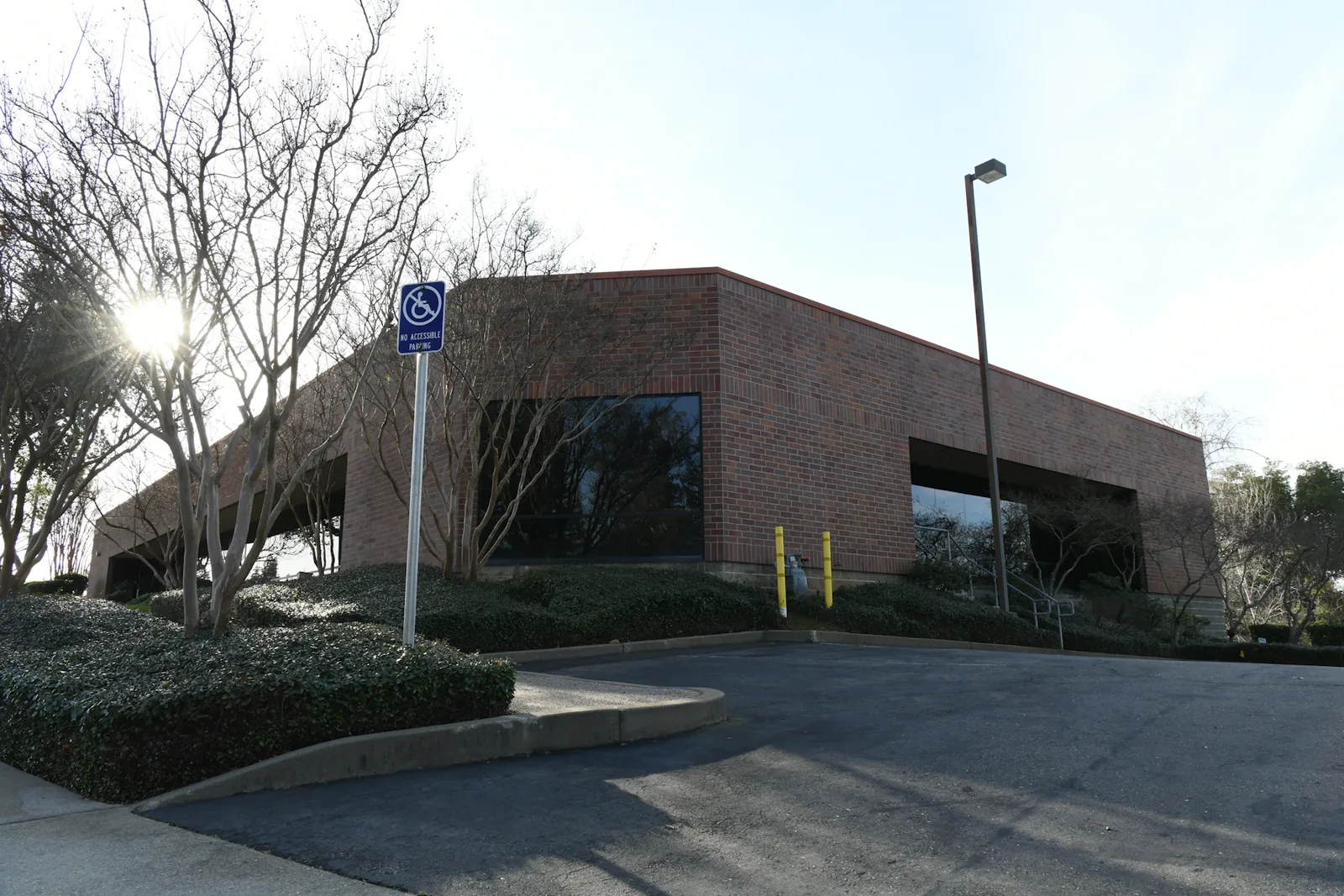
Walk the perimeter and record cladding movement, damaged glazing, door operation, loading-area wear, pavement defects and drainage symptoms. Note the weather: a dry-weather visit can identify staining or sediment but may not reveal where runoff actually travels during rain.
Arrange roof access with people equipped and qualified for that work. Ground-level roofline photographs are useful context but cannot confirm membrane seams, concealed flashings or every drain condition. Keep the report clear about which observations came from the ground and which came from an accessible roof inspection.
Choose inspection intervals for the actual property
Busy entrances and loading zones need attention between formal condition surveys. Set the operating check schedule around traffic, shifts, weather exposure and previous incidents. A monthly or quarterly condition walk can organize planning, but it is not a safe waiting period for an active leak or a reported trip hazard.
Keep equipment tests and statutory inspections on their own register with their governing requirement and responsible specialist. Review the inspection schedule after severe weather, construction or a change in tenant use. Choose intervals using the property’s risks, statutory requirements and previous findings.
Turn each finding into a funded action
Give each deficiency an identifier, photograph, exact location, priority, proposed action and accountable person. Separate immediate protection, a repair scope needing a quotation, and a condition being monitored. A monitor item still needs a review date and a clear trigger for escalation.
Bundle compatible small repairs when access and mobilization make that sensible, but do not postpone urgent protection to build a larger package. Use site-specific quotations for spending approval. Record estimate assumptions, access costs and exclusions instead of treating a generic dollar band as a project budget.
Verify closure and retain the evidence
Compare visual findings with service reports and building automation alarms. Repeated equipment faults or recurring wet areas deserve investigation even if the walkthrough happens to find them dry or operating normally.
Close a finding only when the responsible person has checked the result and linked the completion evidence. Carry unresolved items into the next report. An independent condition assessment can add a fresh review, provided its scope and limitations are explicit.
Technical references
- CCOHS: Effective workplace inspections — Scope and frequency depend on hazards, operations and qualified inspection roles.
Sources & References
- Ontario Building Code — Relevant Standards & Guidelines

Include a preferred date and time
Send a commercial maintenance request
Describe the work area, site access and any operating hours the work must accommodate.
Prefer to send the details first? Request a quote or call (519) 501-5003.