Show activity and exceptions in context
State the reporting period and cutoff date. Summarize occupancy changes, significant operating costs, completed maintenance and unresolved service problems. Distinguish work completed during the period from invoices received for earlier work so apparent cost spikes are understandable.
Support compliance status with the relevant reports and open deficiencies. Use clear labels such as completed, evidence awaited or corrective work outstanding. A scheduled appointment or paid invoice should not automatically turn a system’s status green.
Include actual revenue and operating expenses for the reporting period, alongside the approved budget and the corresponding comparison period. Show net operating income using a stated, consistent definition and explain material variances, timing differences and missing information. Keep financing costs and capital expenditure separately identified so the reader can understand what the operating result includes.
List upcoming lease expiries and renewal decision dates, known tenant changes and the person responsible for the next action. Distinguish an agreed renewal from an assumption in the budget.
Explain maintenance costs and capital requests
For routine work, link the date, asset, vendor, service scope and cost. Describe significant differences from the approved budget, including deferred work and commitments not yet invoiced. Keep an estimate separate from a purchase order or final cost.
For a proposed capital project, explain the defect, available options, consequences of waiting, estimate basis and operational disruption. Request a specific approval by a useful date. Do not describe an independent assessment as a guarantee of lender acceptance or a reduction in every investment risk.
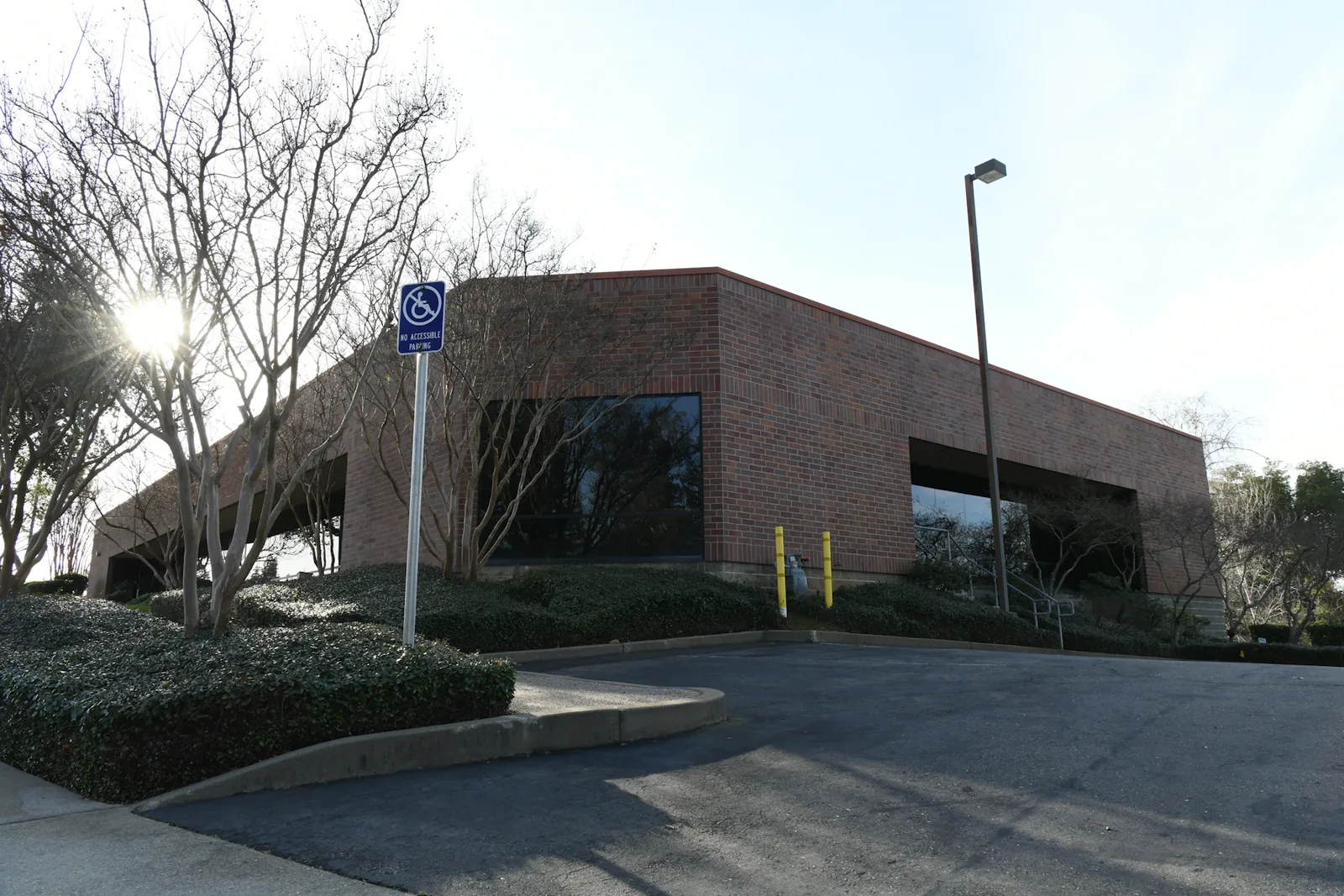
Make exterior condition visible
Include pavement deterioration, recurring ponding, lighting outages, envelope damage and access restrictions that affect operations. Use stable location identifiers so the report reader can connect a current photograph to the previous finding and repair record.
Comparable photographs can show progression, but note differences in weather, viewpoint and recent maintenance. A dry image does not prove a drainage problem has disappeared. Record whether the finding was repaired, temporarily controlled or left for investigation, with the person accountable for the next step.
Set reporting intervals around decisions
Monthly operating summaries and periodic condition updates can be useful, but agree the cadence with the owner. Urgent incidents, significant failures and spending exceptions need the escalation process defined in the management agreement rather than waiting for the next routine report.
Align larger condition reviews with budget preparation and allow time for investigations or quotations. Standardize vendor submissions around assets, dates, findings and photographs. A particular maintenance plan does not guarantee complete or pre-organized records unless that deliverable has been agreed.
At year end, reconcile the expenditure summary with the supporting records and summarize completed capital work, carried-forward commitments and tenant changes. Identify decisions and unresolved items entering the next year so the annual report connects to the next operating plan.
Close with the next actions and reliable records
List decisions awaiting approval, work planned for the next period and items that could alter cost or schedule. Carry an unresolved item forward under the same identifier. When closed, link the evidence and the person who verified the result.
Use comparable definitions when reviewing history or benchmarks, and identify missing data. Keep supporting financial records in an accessible, readable form under the applicable retention requirements. A concise report can link to evidence without copying sensitive tenant or incident details into every owner distribution.
Technical references
- CRA: Electronic record keeping — Business records must remain accessible and electronically readable for applicable retention periods.
Sources & References
- Ontario Building Code — Relevant Standards & Guidelines

Include a preferred date and time
Send a commercial maintenance request
Describe the work area, site access and any operating hours the work must accommodate.
Prefer to send the details first? Request a quote or call (519) 501-5003.